

Teaching Workshop
Fungi in the
Air
🗓️ 22 March 2025
Students in Years 8–12 explore airborne fungal spores through hands-on activities and real DNA data.

📸 Students sorting 'spore' samples during the activity — bringing science to life, one sequence at a time.
-
Practice aligning DNA fragments to reference sequences.
-
Identify and quantify fungal spores.
-
Interpret real pathogen surveillance data.
-
Create graphs and visuals to represent trends.
Workshop Highlights
_edited.jpg)


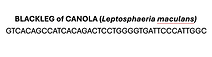
DNA Matching
Students compare their sequences to printed references to identify species.
Building a Visual Display
Identified spores are sorted into containers by species — creating a live chart of spore distribution.


Content Credits: Benjamin Schwessinger and Sonja Brodersen
Why learn about fungi?
Fungal pathogens like myrtle rust are a danger to our ecosystems, as they threaten native species. The spores of these fungi fly through the air around us, making them able to spread far and wide. This topic is becoming increasingly more relevant, as myrtle rust has been detected in Canberra in its early stages recently. Come along to our free events open to the public to learn more!